Summary
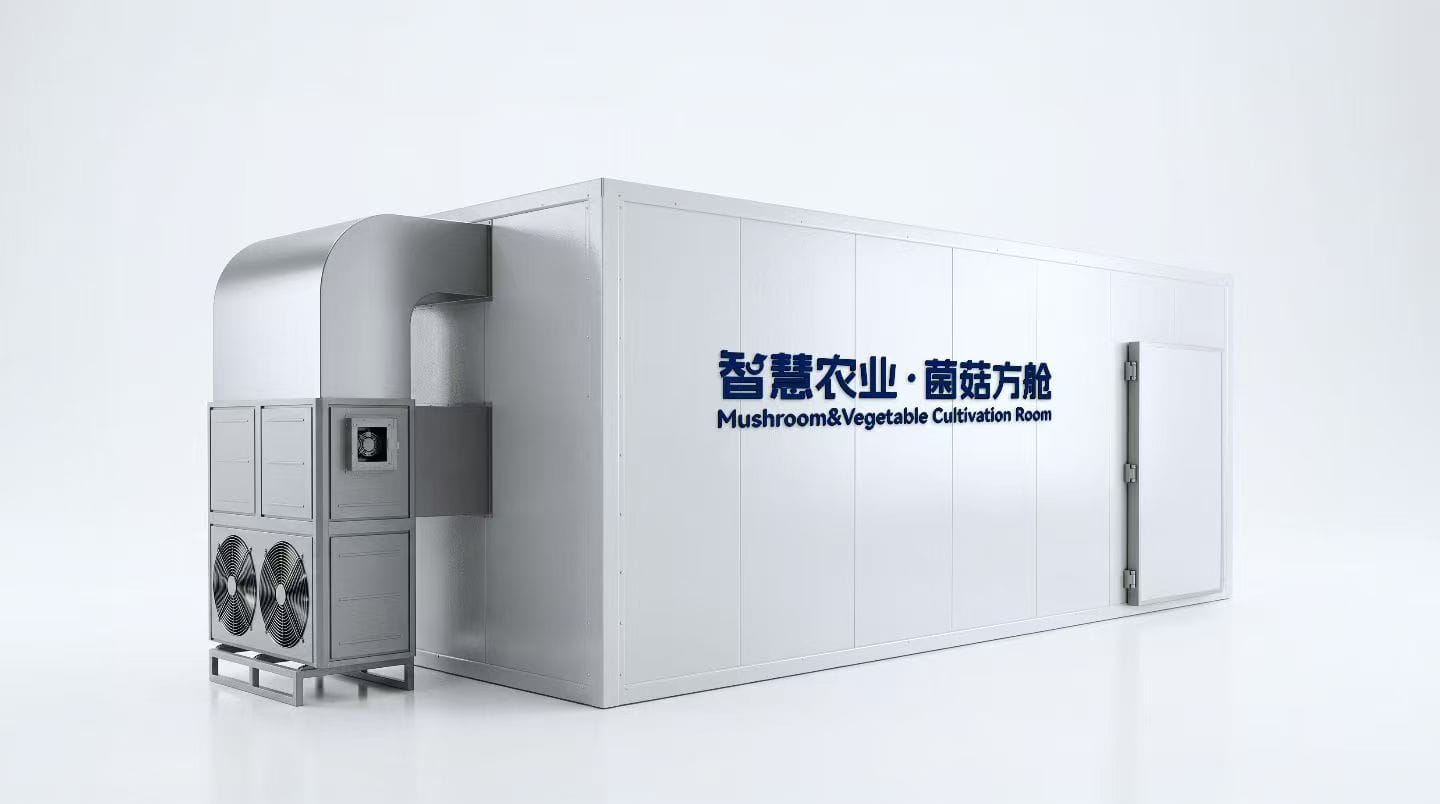
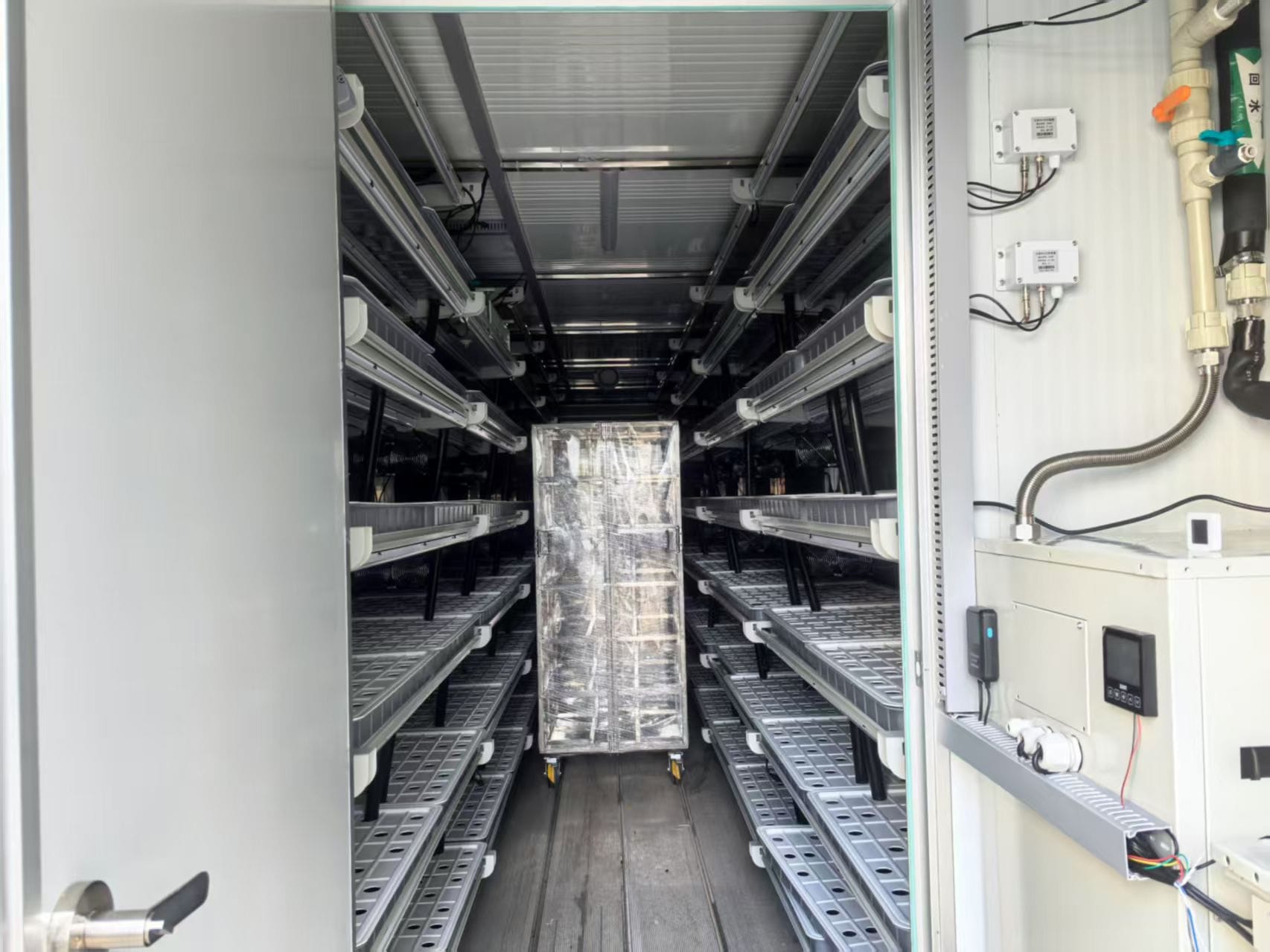
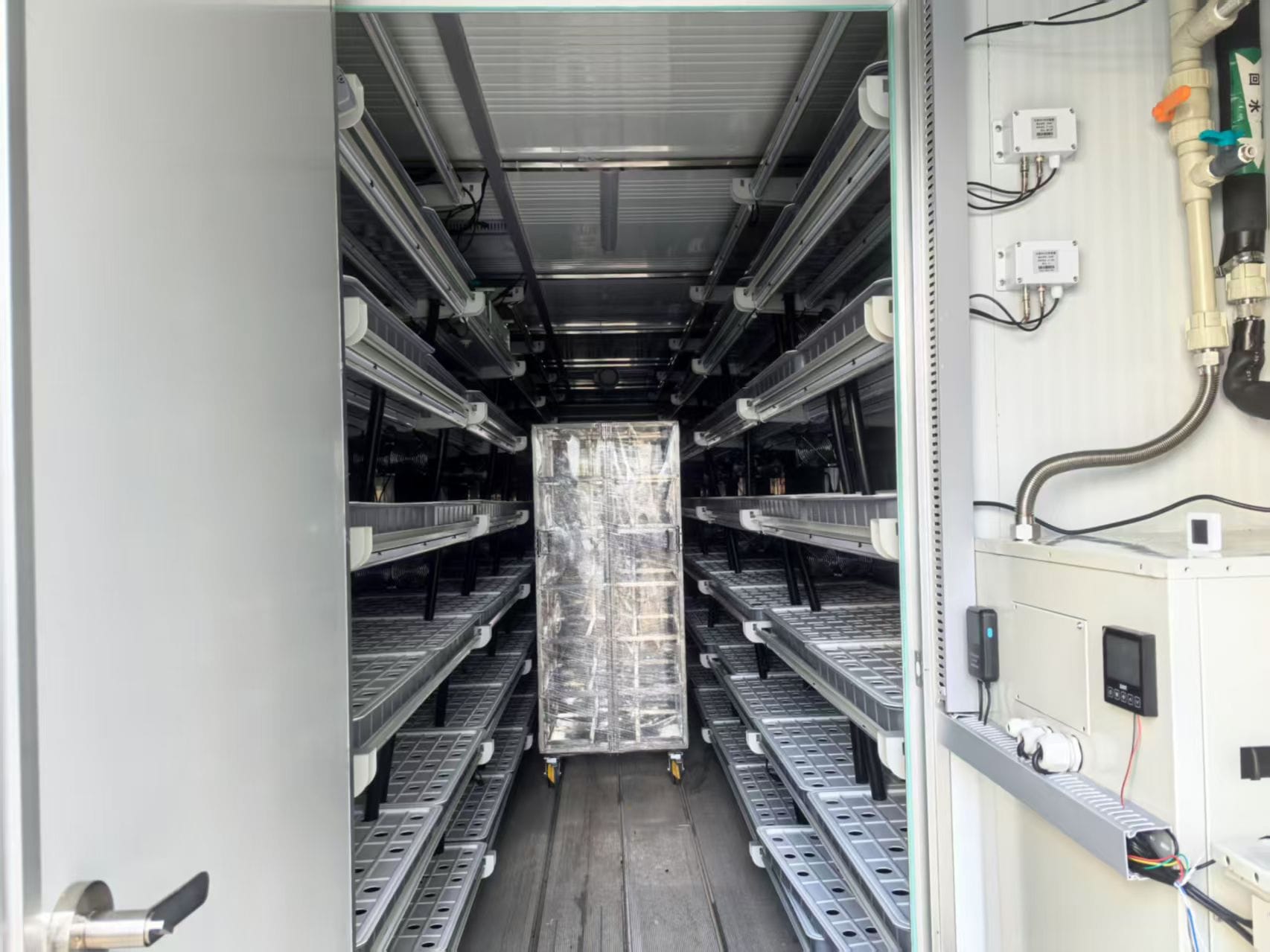
Smart cultivation warehouses turn plant growth into precise, data-driven processes. Using sensors, actuators and a central processor, the system controls temperature, humidity, light and CO2 for vegetables like lettuce (28-day cycle) and mushrooms with species-specific routines. This reshapes the food-city relationship with hyper-local, pesticide-free production.
Key Points
- Vegetables are "datafied": a central brain of sensors and actuators follows optimal growth models, e.g. lettuce from seed to harvest in exactly 28 days.
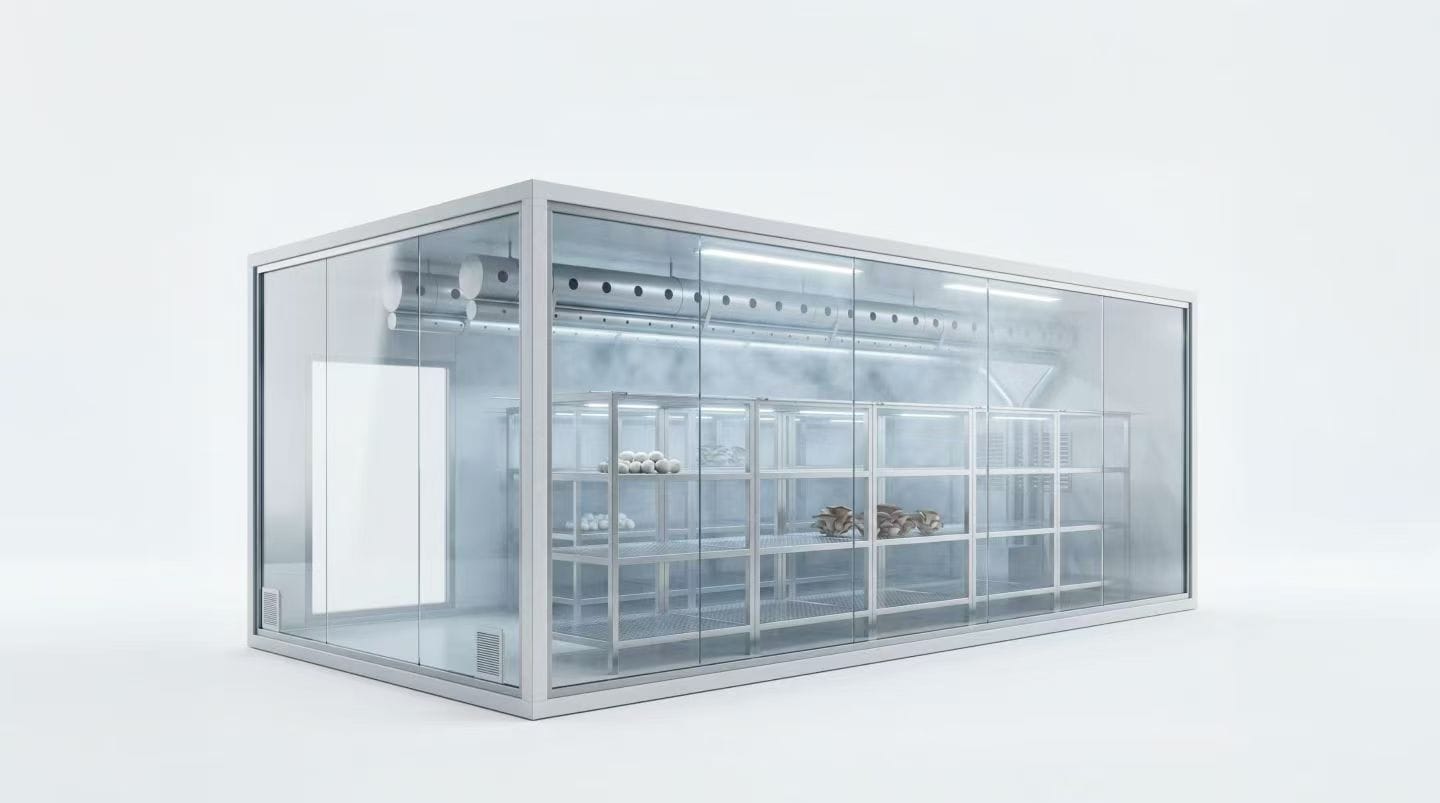
- Mushrooms get deeper control: shiitake, oyster and enoki sit in separate chambers with their own light cycles, temperature rhythms and humidity curves; shiitake splits into dark mycelium stage and fruiting stage needing temperature shock plus weak scattered light.
- Warehouses embed into cities (idle factories, underground, rooftops) for hours-to-table freshness and food-security resilience; vertical planting yields several to dozens of times traditional output, near-zero water waste, no pesticides, though high startup cost and tech barrier remain challenges.