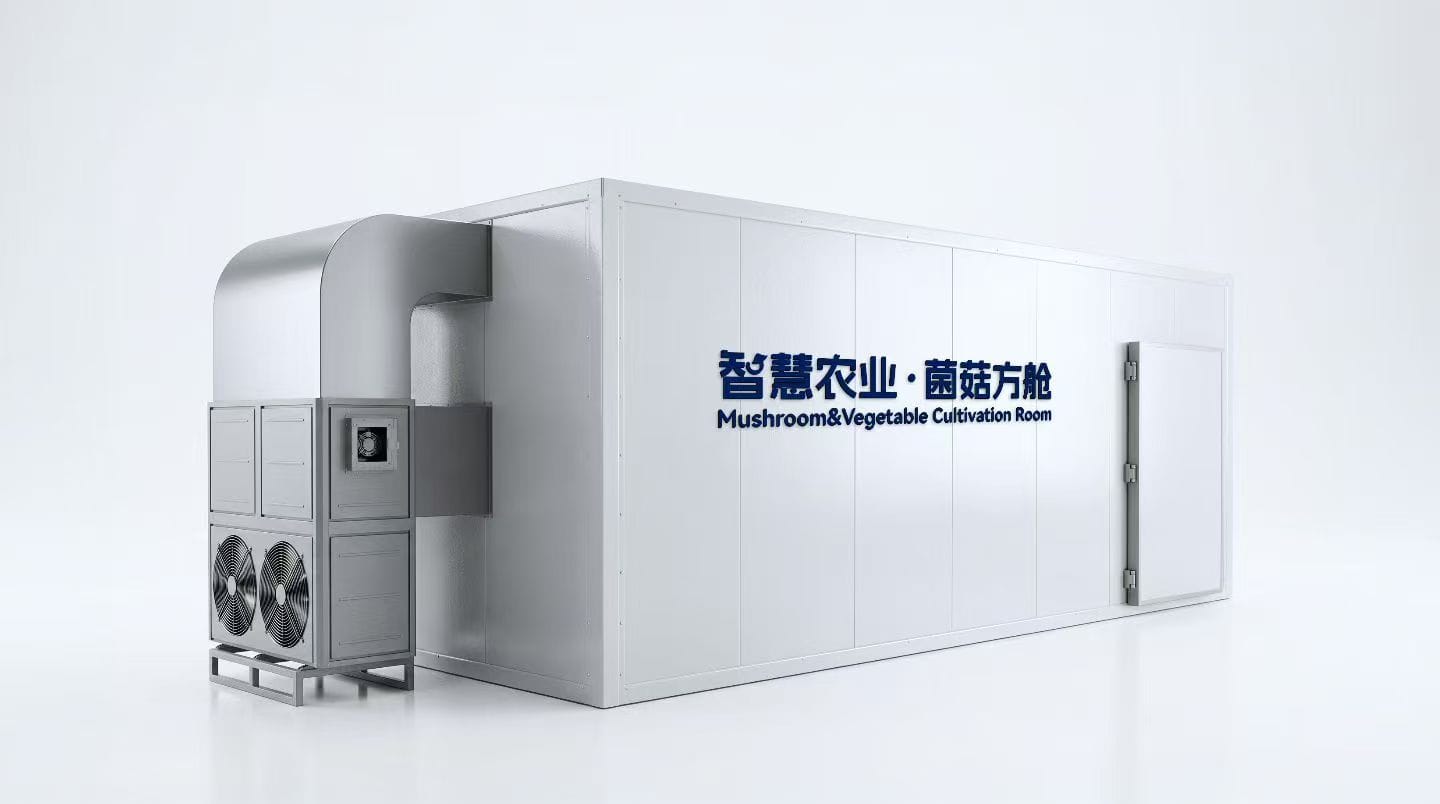
There is currently no authoritative, unified conclusion on which country applies mushroom-and-vegetable cultivation pods most widely. The following is a comprehensive analysis based on available information:
1. China: a core country for technology export and multi-scenario application. Extreme-environment coverage: container plant factories developed by Chinese firms are widely used domestically and abroad. For example, the container plant factory of Weifang Shouguang Xiangtian Agricultural Tech not only serves domestic polar-research vessels (the "floating vegetable garden") but is exported to the UAE, Canada, the Netherlands and Morocco, solving vegetable supply in deserts, extreme cold and islands. Via intelligent temperature control, LED lighting and integrated water-fertilizer systems it achieves year-round efficient production at five times traditional yield.
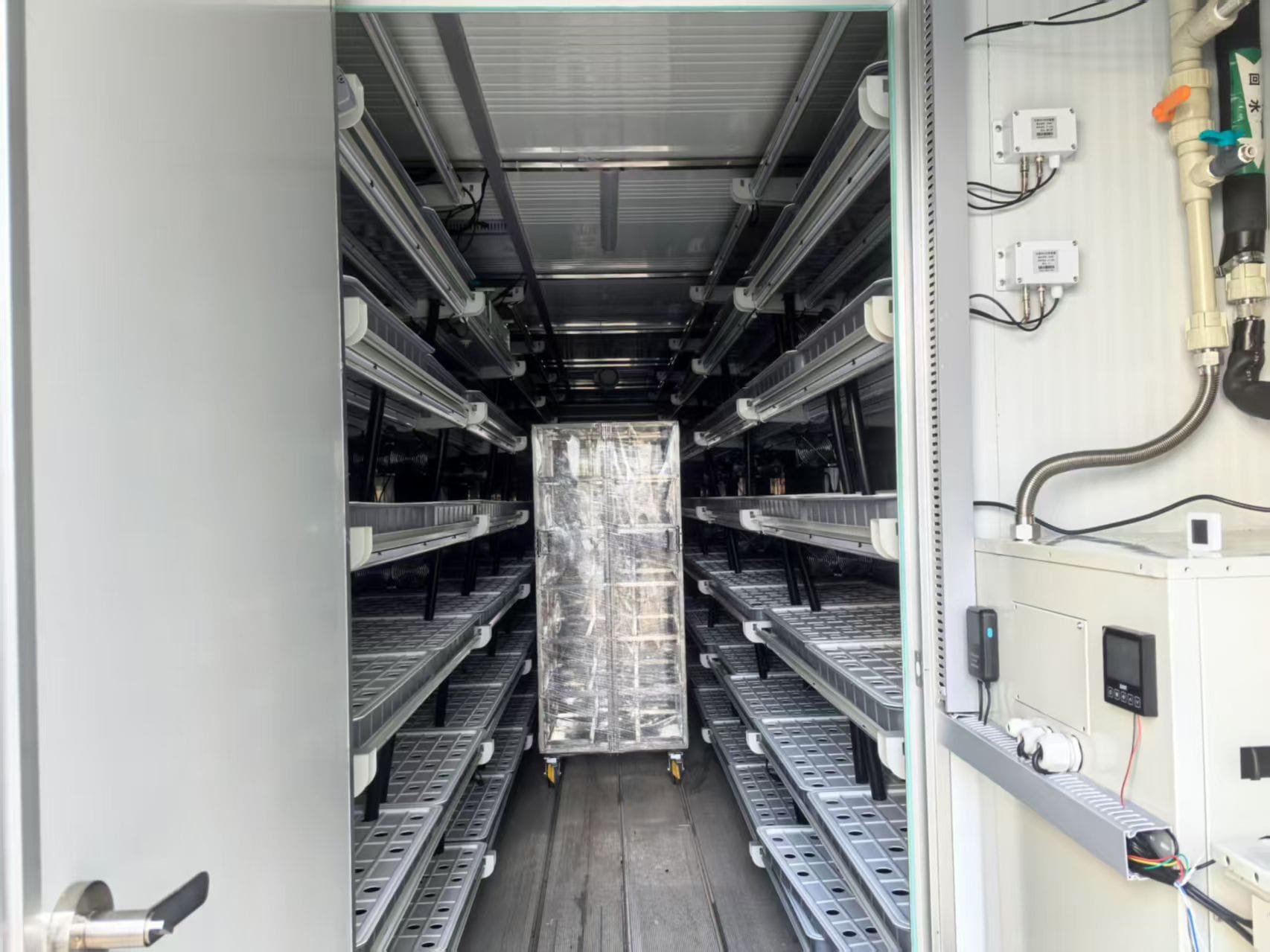
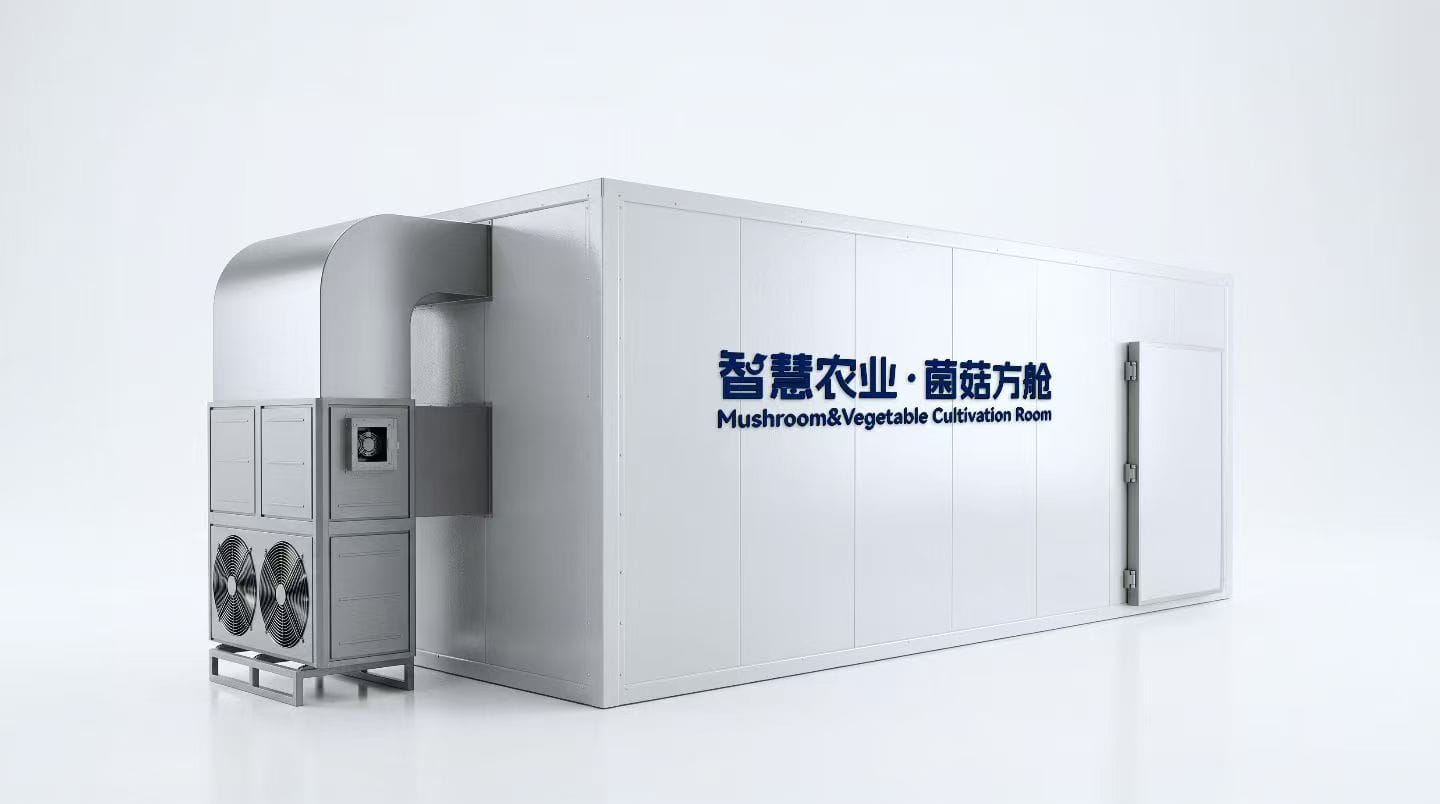
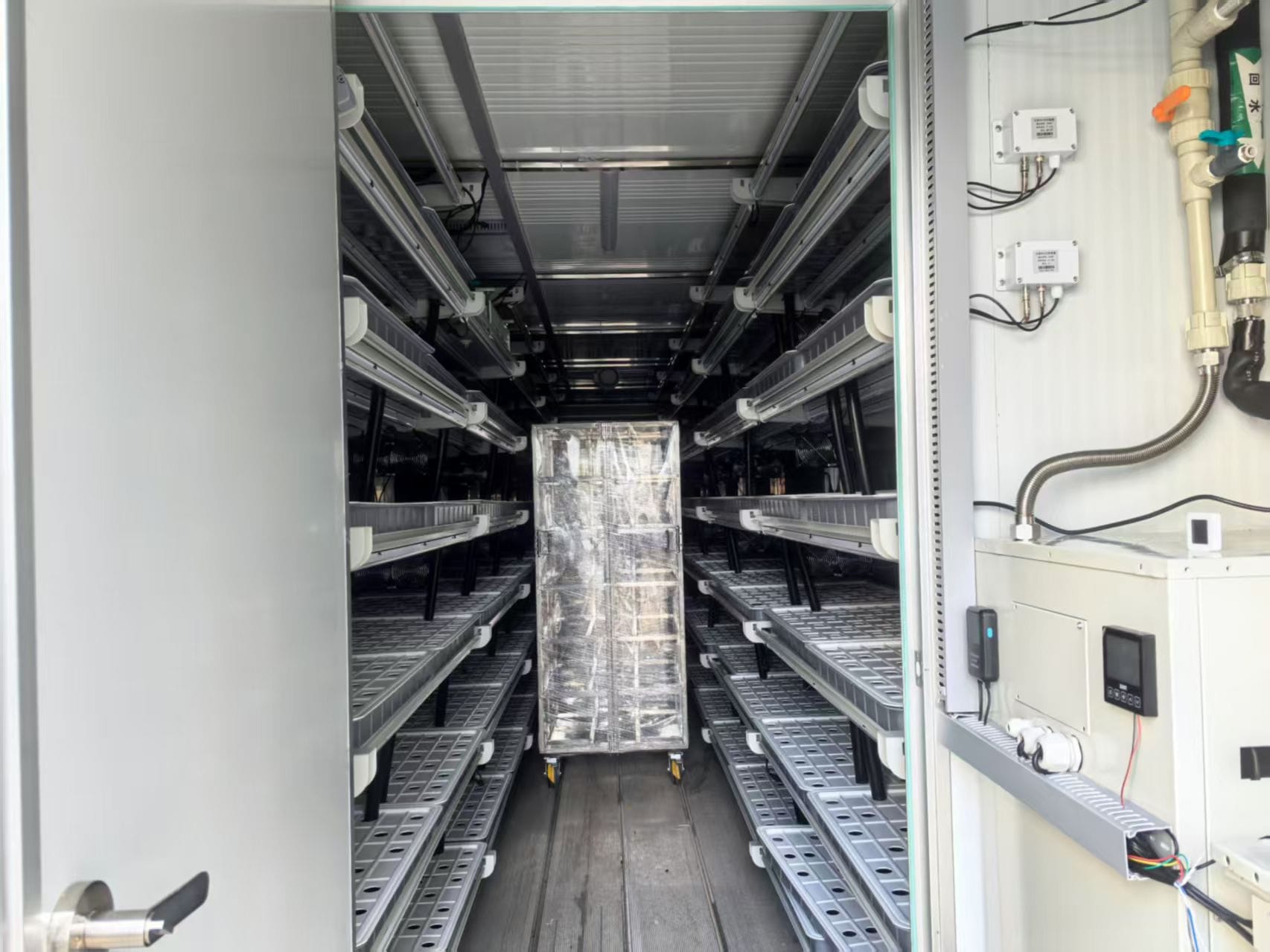
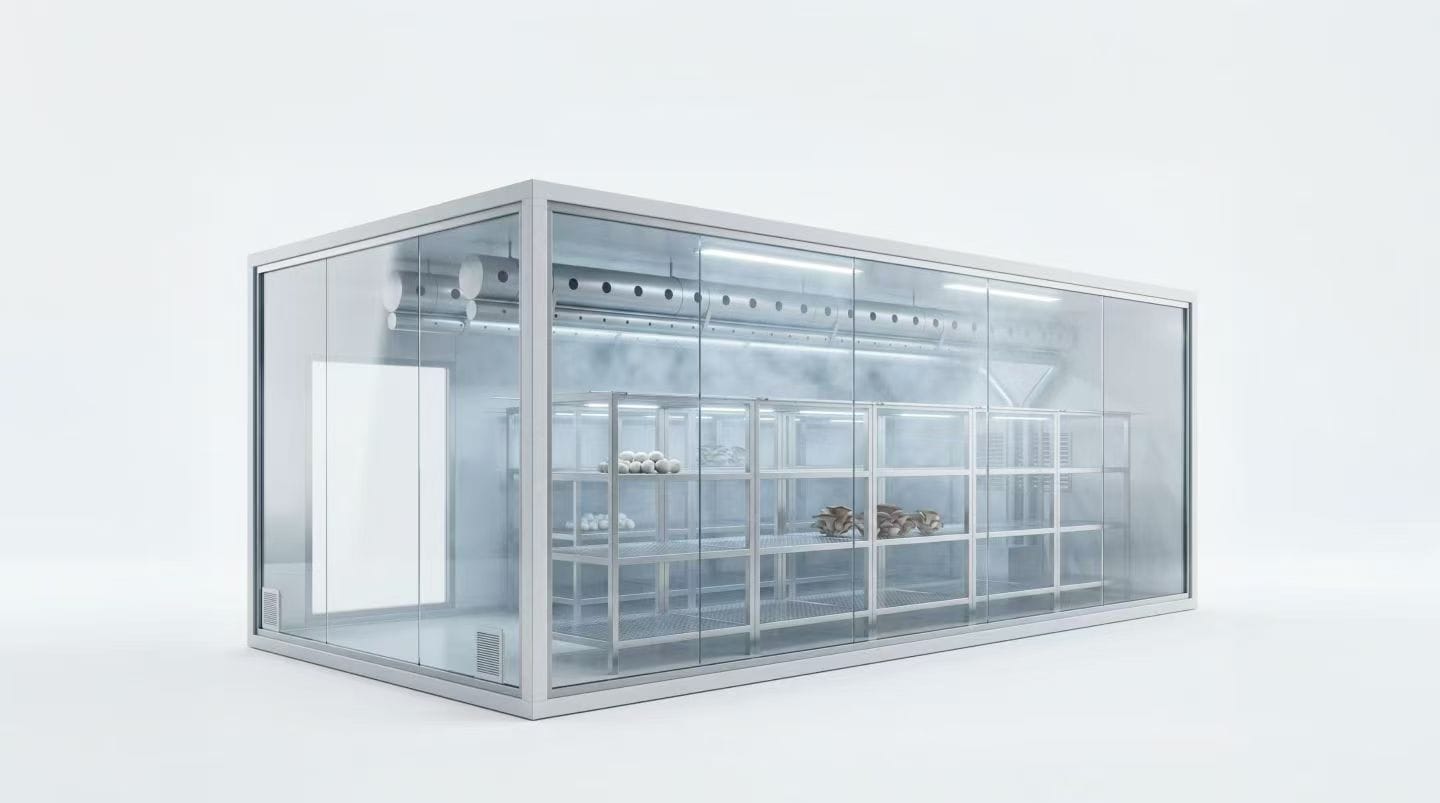
Technology diversity: China covers the full chain from basic equipment to high-end intelligent systems. Guangxi's smart edible-fungus pod uses AI models to precisely regulate parameters, raising the A-grade rate of Pleurotus to 95% with remote monitoring and unmanned operation; the technology has been exported to Malaysia and other ASEAN countries. Hebei's rare-fungus smart pod, combined with an AI bio-model, automates golden-ear cultivation with output above 3,000 jin per pod.
2. Southeast Asian countries: technology adaptation and local rollout. Vietnam: a climate similar to Guangxi makes it a key market; the Guangxi Liuluo team provided a customized solution for Buon Ma Thuot incorporating local climate data, solving long rainy seasons and unstable traditional cultivation. Malaysia: Guangxi's smart pod project, leveraging Belt and Road cooperation, exports an AI-driven planting model enabling "foolproof" operation and lowering the technical barrier.
3. Middle East and Europe/US: high-demand technology-validation zones. UAE and other Middle Eastern countries: extremely high demand for stable supply in deserts; Chinese container plant factories, with high-temperature design and energy optimization, became representative "oasis" agriculture. The US and Canada: land scarcity and extreme climates drive adoption of container cultivation to raise self-sufficiency.
4. Technology inclusiveness shapes the global distribution. No absolutely dominant country: applications show a "multi-center, regionalized" feature; countries choose adapted solutions per climate challenge, policy and cooperation.
China's role stands out: as an R&D and export hub, China promotes globalization via equipment export and full-chain services (seedling, O&M guidance), especially in extreme environments and ASEAN markets.
For detailed cases in a specific country or the latest market-share data, consult industry reports or contact relevant firms.
Summary
No single country is authoritatively the widest user of mushroom and vegetable cultivation containers. China stands out as the core technology exporter and multi-scenario adopter, while Southeast Asia, the Middle East, and North America adopt the technology regionally based on local needs.
Key Points
- China leads as the R&D and export hub: container plant factories and smart mushroom cabins are used domestically and exported to the UAE, Canada, the Netherlands and Morocco, with yields up to five times traditional farming.
- Southeast Asia localizes the technology: Vietnam and Malaysia adopt Chinese AI-driven cabins suited to similar climates via Belt and Road cooperation.
- No dominant country exists; adoption is multi-center and regional, driven by climate challenges, policy support and technology partnerships.