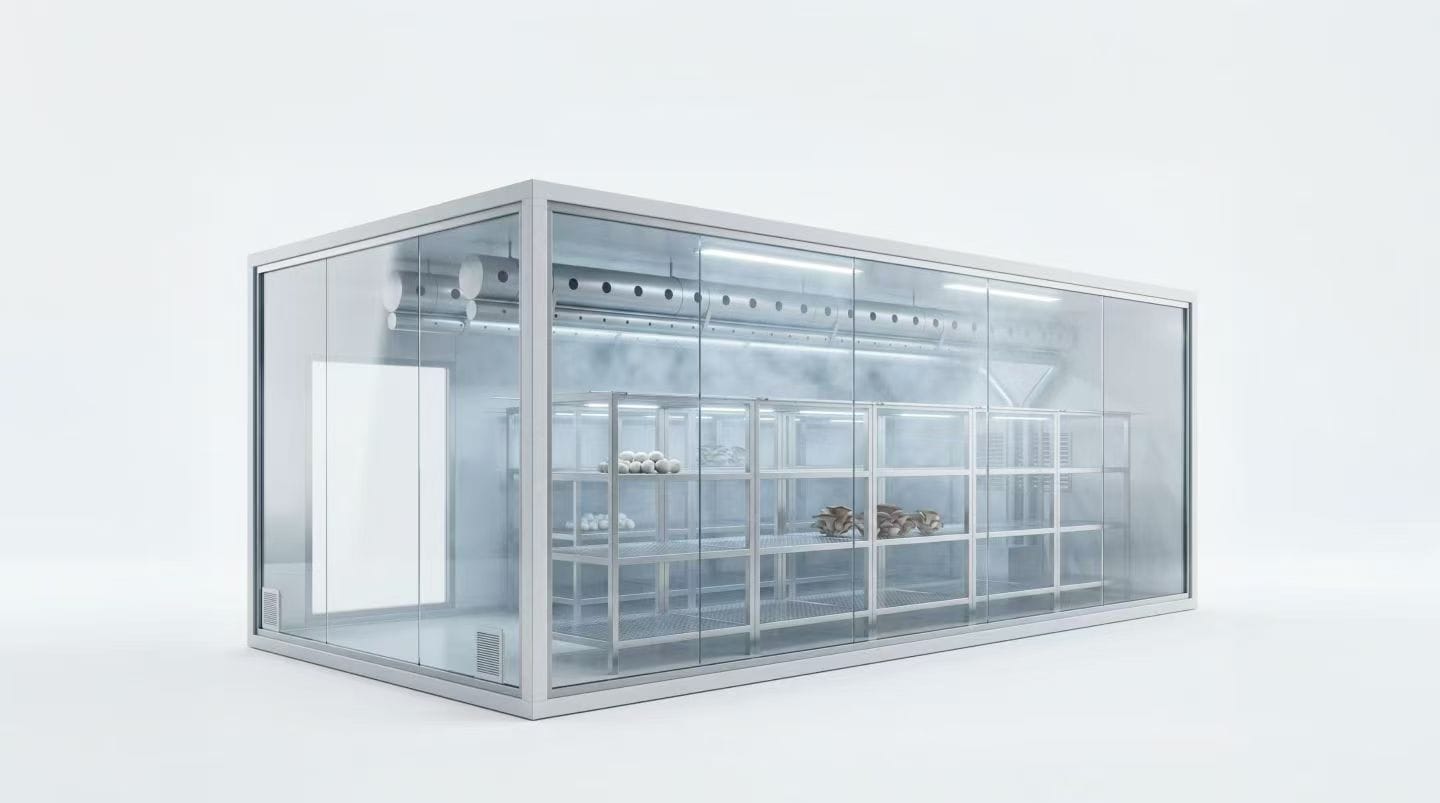
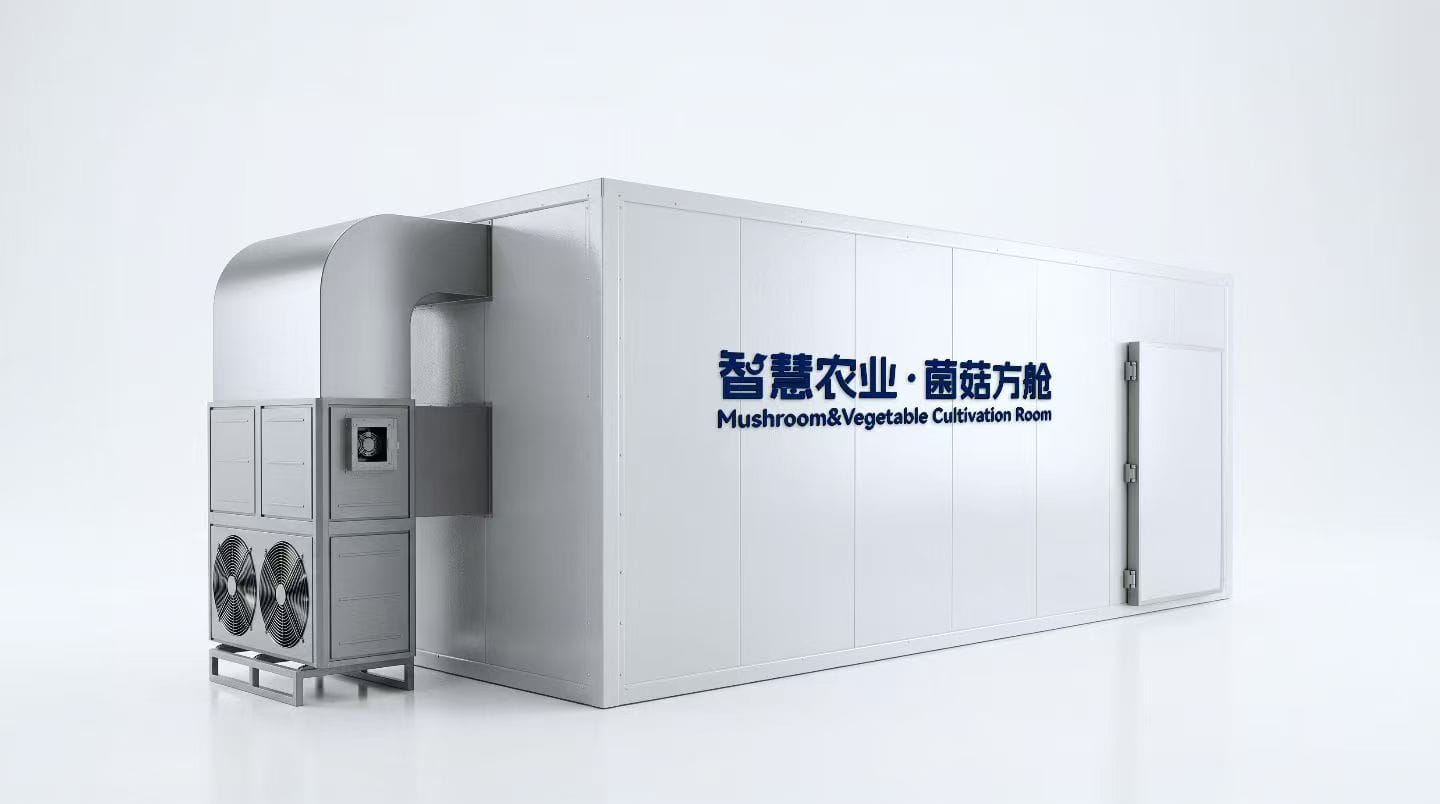
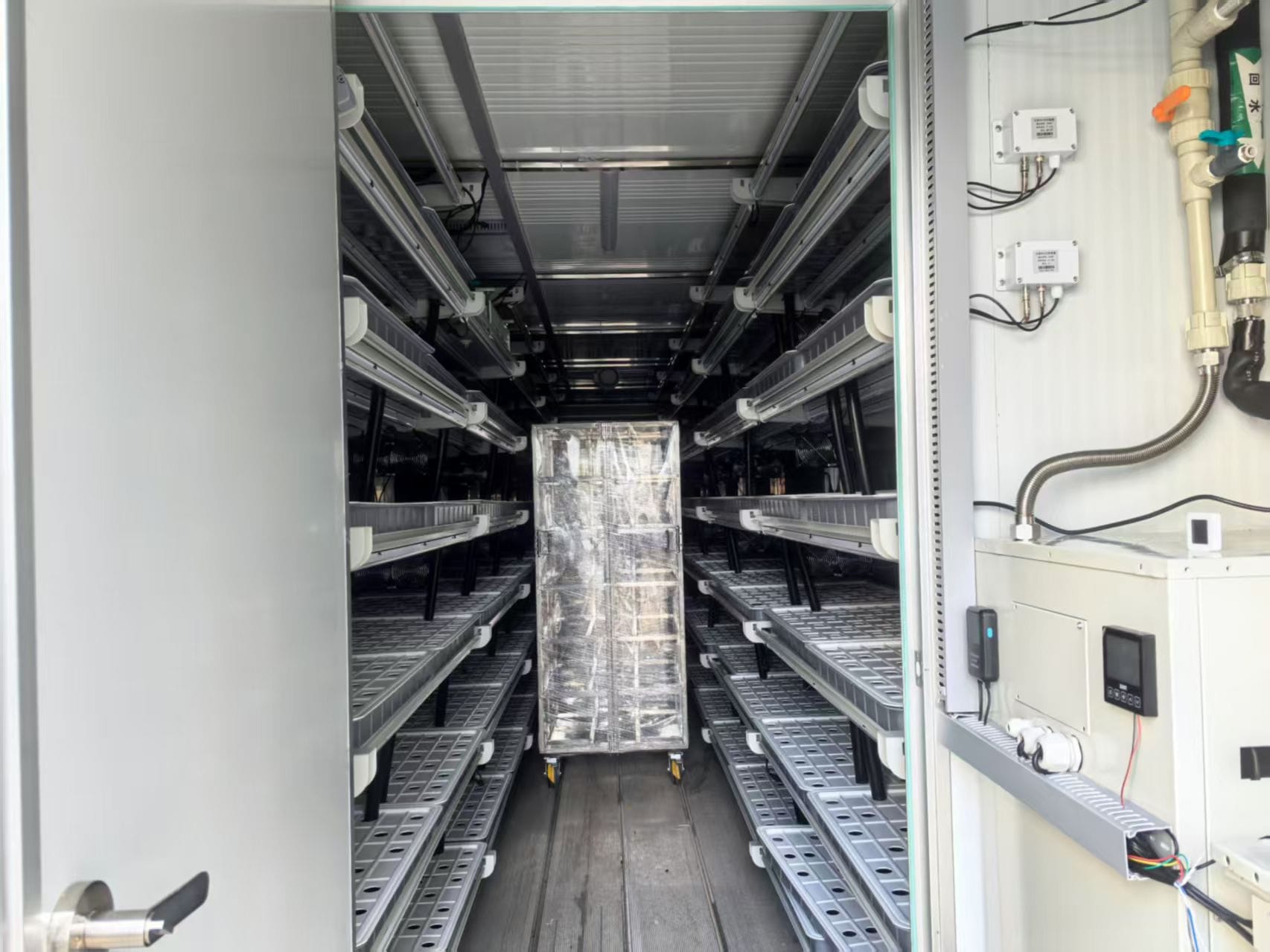
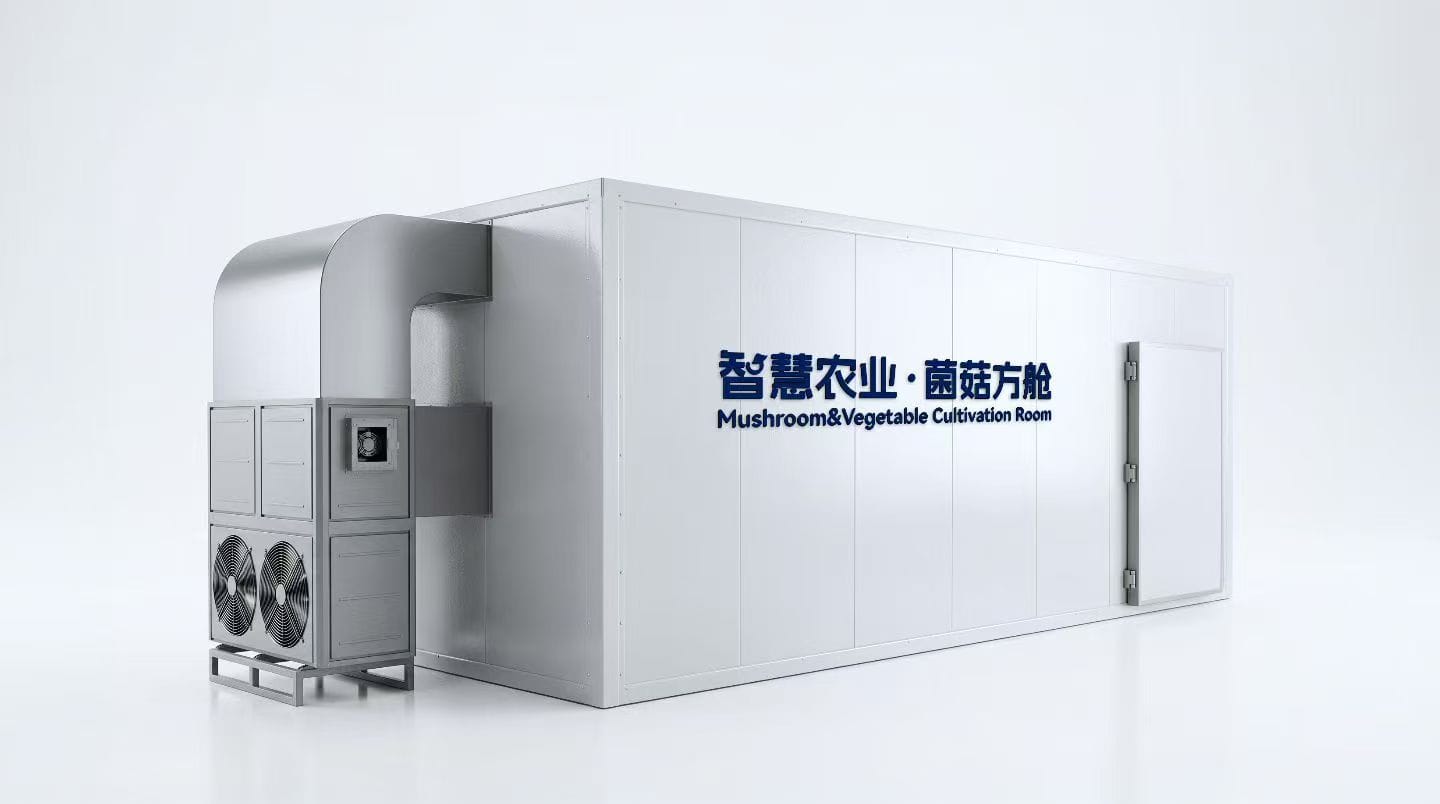
As the core carrier of modern, large-scale and standardized edible-fungus production, the mushroom cultivation pod breaks the bottleneck of traditional cultivation constrained by natural climate and regional conditions. By precisely regulating environmental parameters, it builds a stable, controllable "artificial ecosystem" for mushroom growth, greatly improving yield, quality and production stability. Whether common varieties like oyster, shiitake and enoki, or rare species like morel and matsutake, the pod achieves full-cycle precise cultivation through scientific environmental management. The following systematically reviews mushroom-cultivation-pod knowledge from dimensions such as core environmental factors, the full cultivation process, key technical points, common problem solving and management strategies.
Summary
Mushroom cultivation chambers break the limits of natural climate and geography by precisely controlling the environment, building a stable "artificial ecology" that lifts yield, quality and production stability for both common and rare species.
Key Points
- Five core elements must be managed: temperature, humidity, light, ventilation and pH, with needs differing sharply across mycelium, primordia and fruiting stages.
- Temperature is staged: mycelium 22–28°C (±1°C), primordia need a ~10°C drop (shiitake 15–18°C, oyster 13–15°C), fruiting ranges 10–32°C by species.
- Humidity runs 60–70% in mycelium, 85–90% at primordia, and 85–95% during fruiting, while light shifts from darkness to 100–500 lux and ventilation supplies oxygen and removes CO₂.