Mushroom Cultivation Containers: Small Space Driving a Big Industry, a Key Step toward Agricultural Industrialization
Henvic News 2026-07-22

Mushroom Cultivation Containers: Small Space Driving a Big Industry, a Key Step toward Agricultural Industrialization

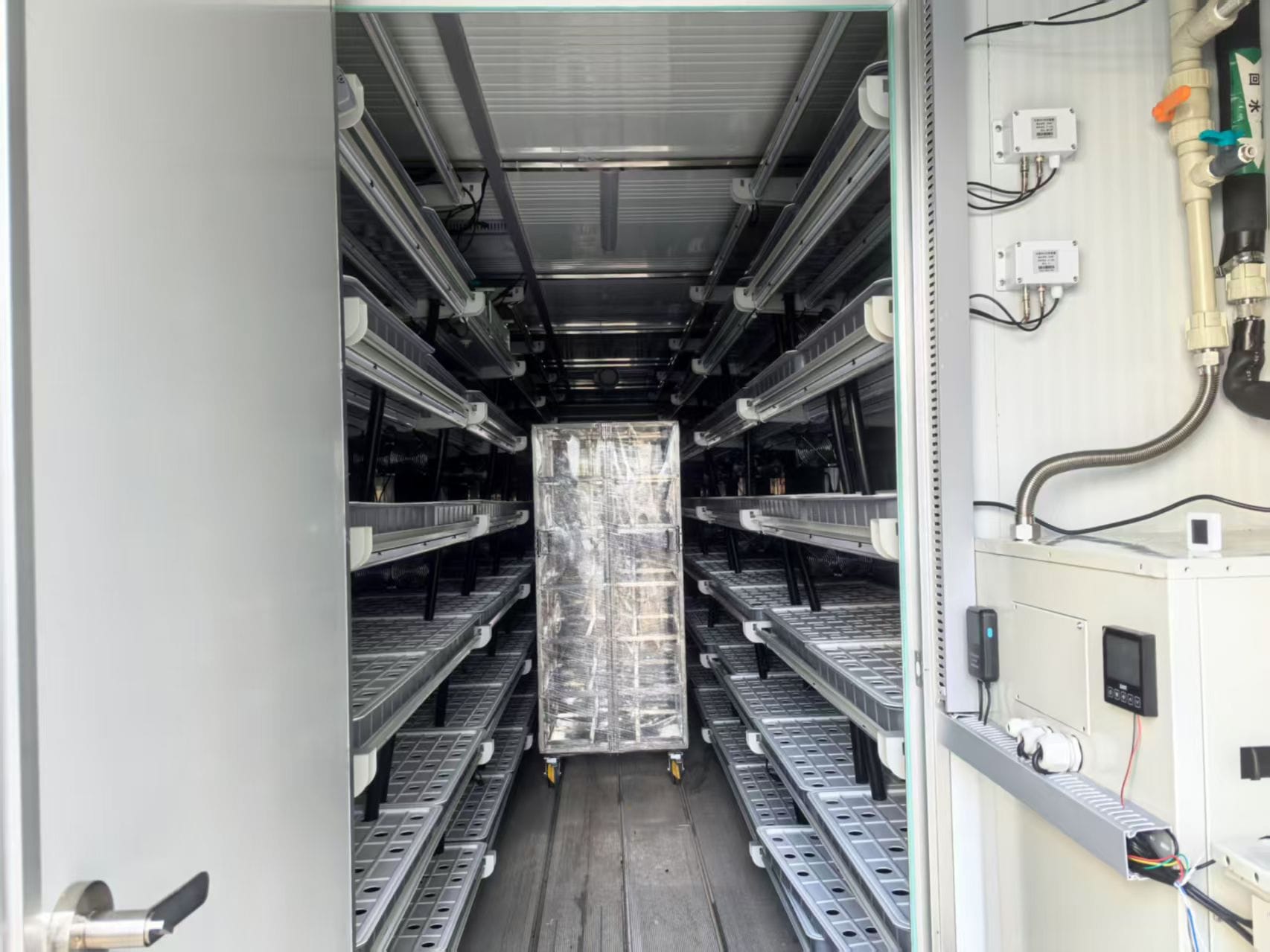
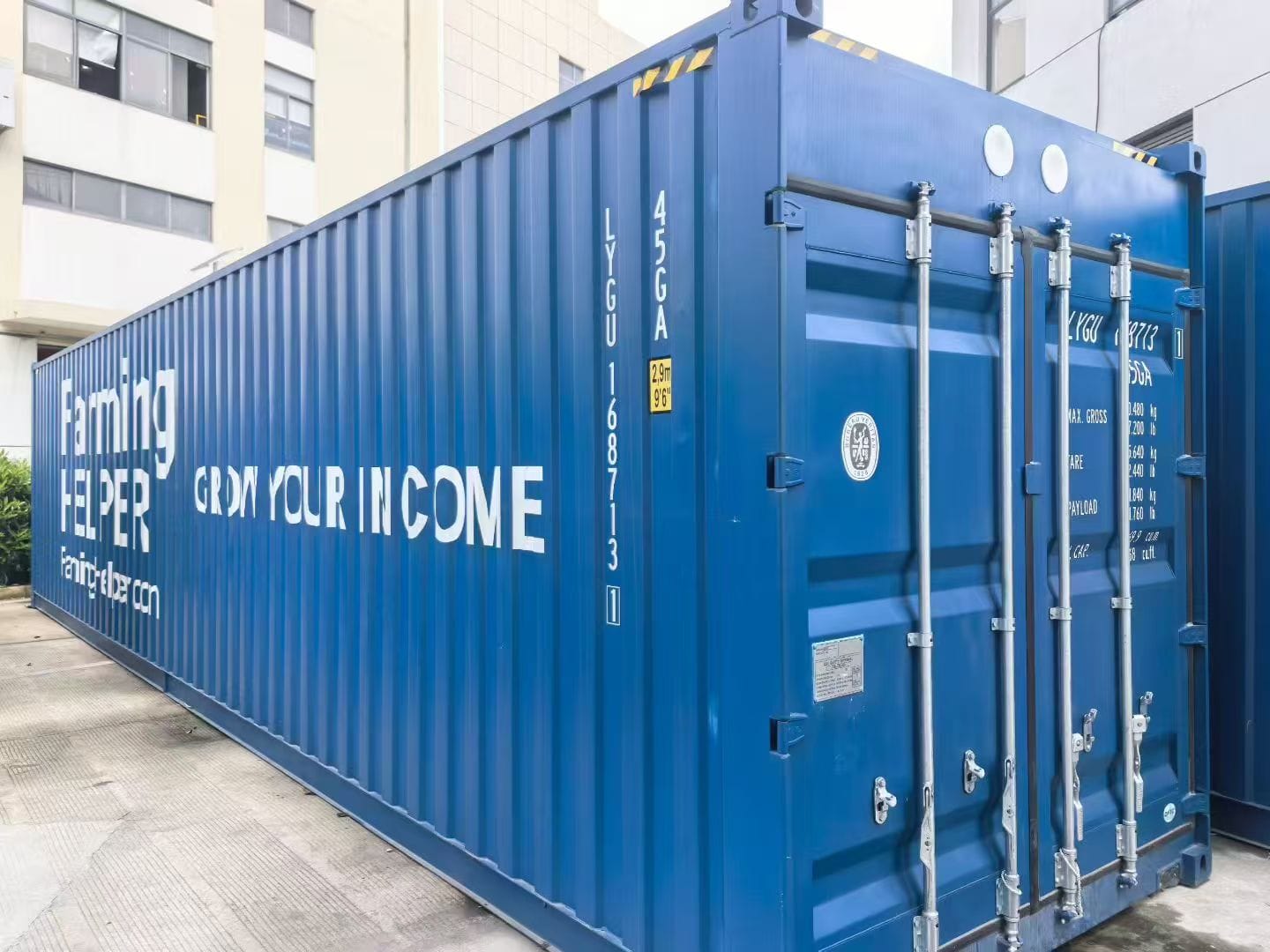
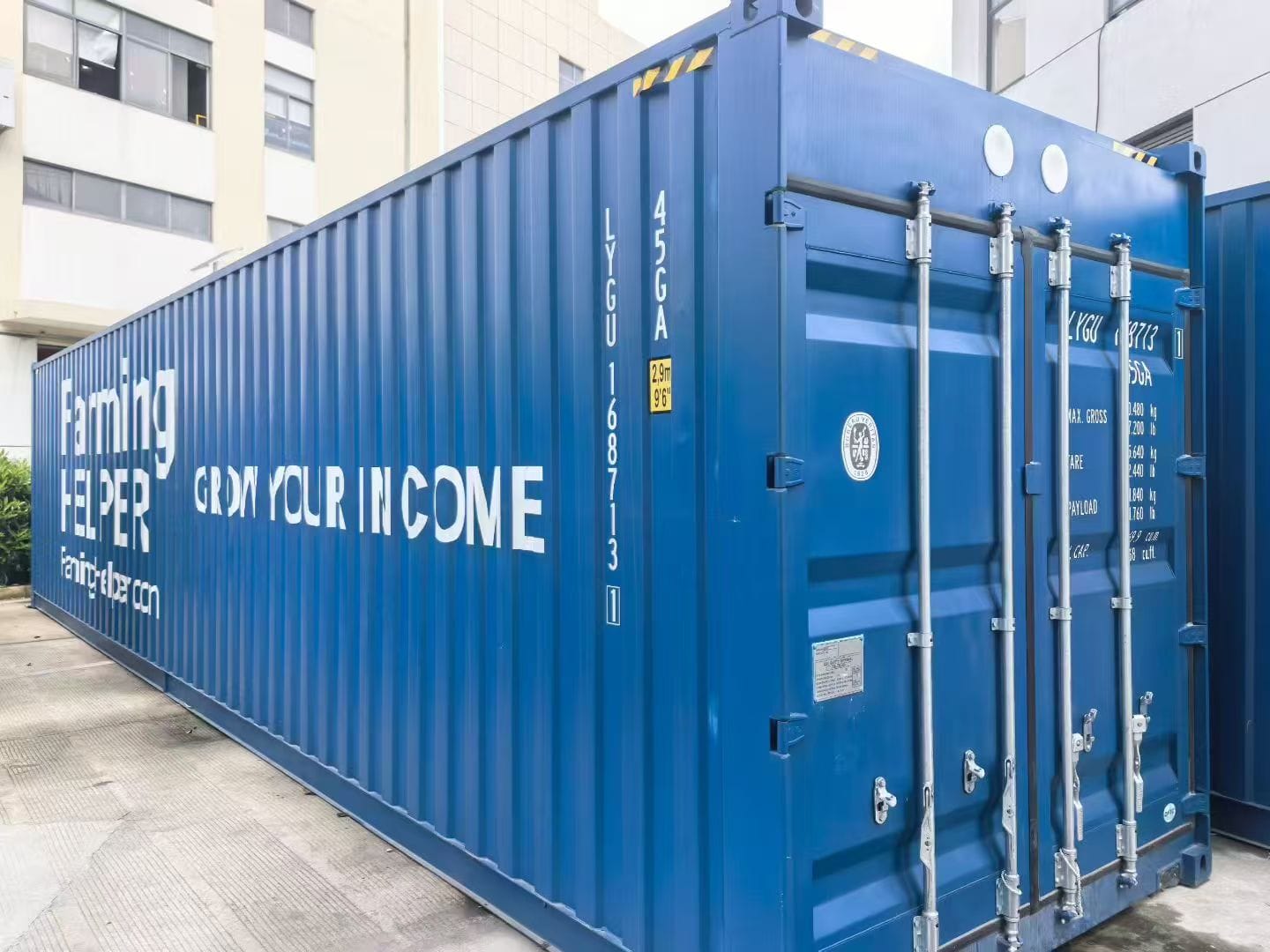
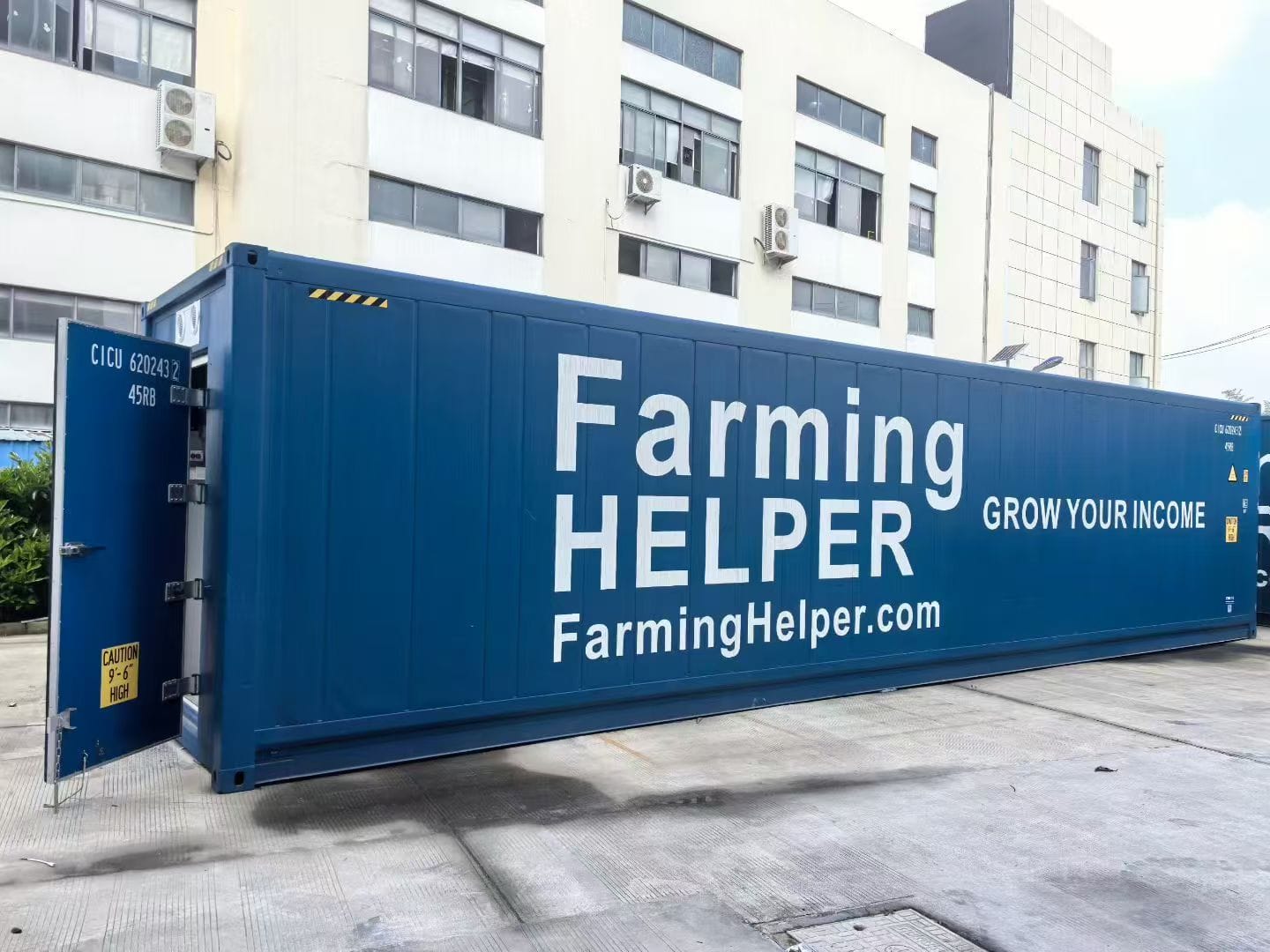
In the traditional imagination, mushroom cultivation is inseparable from damp, dim greenhouses and piles of substrate, tightly constrained by season, climate and region, with volatile yield and quality. But today, a "mobile mushroom factory" resembling a shipping container is quietly upending the traditional model—opening efficient, controllable and green new paths for mushroom cultivation in fields, on city rooftops, on barren deserts and even on offshore platforms. Recently, reporters visited multiple container-mushroom sites to explore how this agricultural "black tech" leverages small spaces to drive a big industry and push agricultural industrialization forward.

Summary

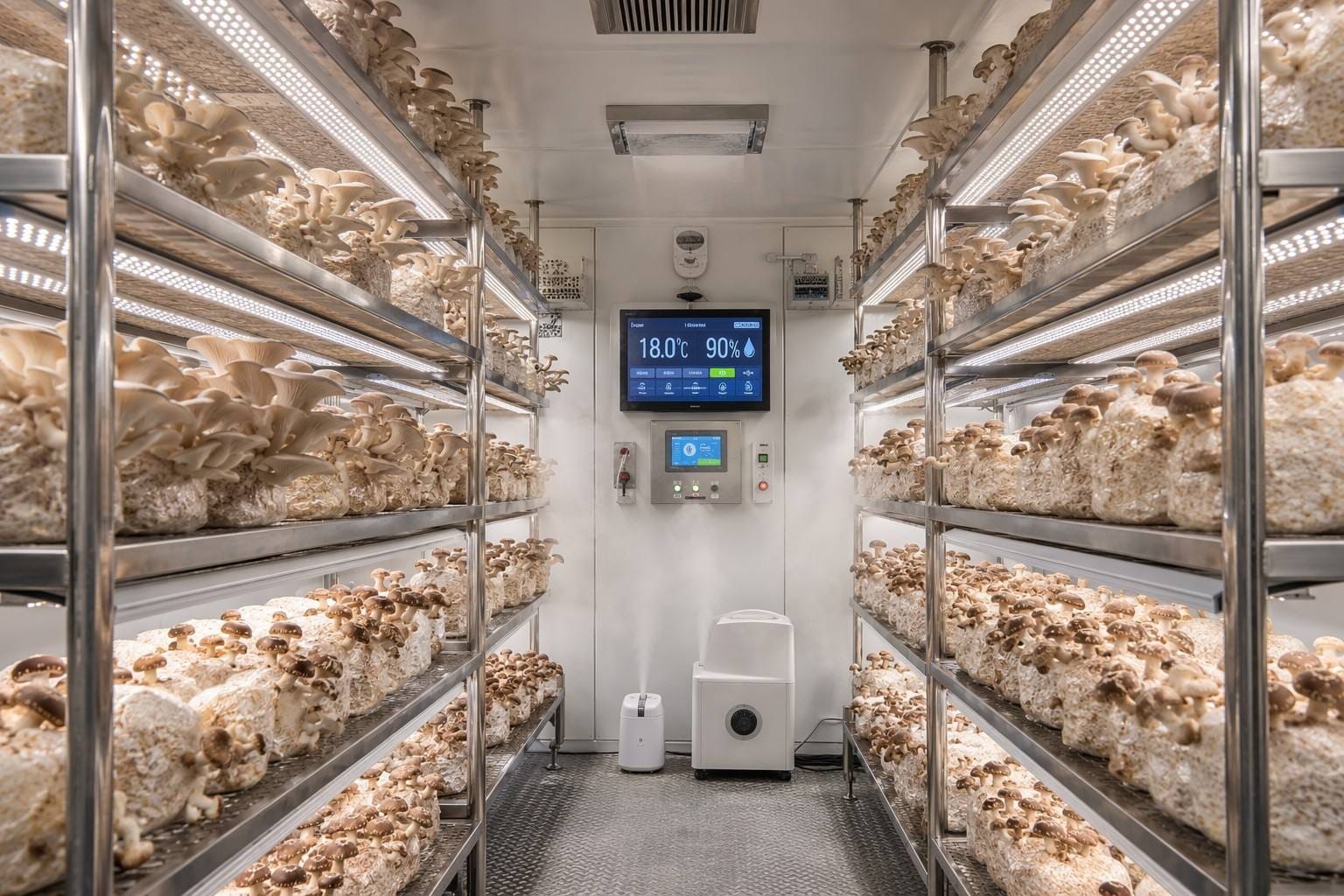
Standard shipping-container-shaped mobile mushroom factories are overturning traditional cultivation by breaking the limits of season, weather, and location. Each roughly 15-square-meter unit runs an intelligent environment system that holds temperature at 18 to 22 degrees C, humidity at 85 to 90 percent, and carbon dioxide below 0.3 percent, with temperature error under 1 degree C, enabling stable year-round production.

Key Points

  • Planting density reaches 3 to 5 times that of traditional greenhouses, yielding 8 to 10 crops a year versus 4 to 5, with total output more than double.
  • The units deploy on city rooftops, in remote areas, even on gobi desert, a mushroom oasis; a 20-foot container matches one mu of farmland, lifting land use about 40 times.
  • Pesticide-free, green-certified mushrooms sell 3 to 5 yuan per jin higher; the company plus farmers model has engaged 200 plus households with over 30,000 yuan extra annual income, and waste substrate is recycled as fertilizer.
Related

Want to know more?

Contact our professional team for customized solutions